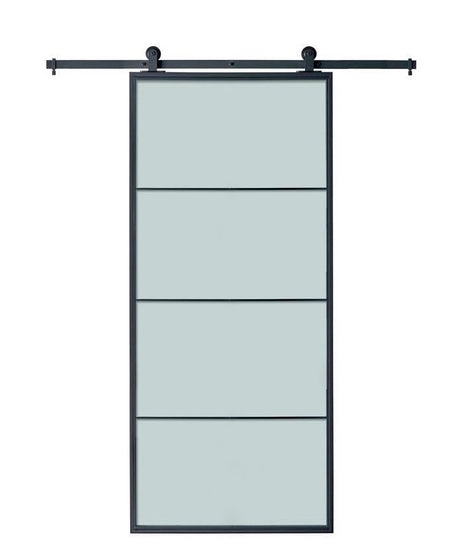
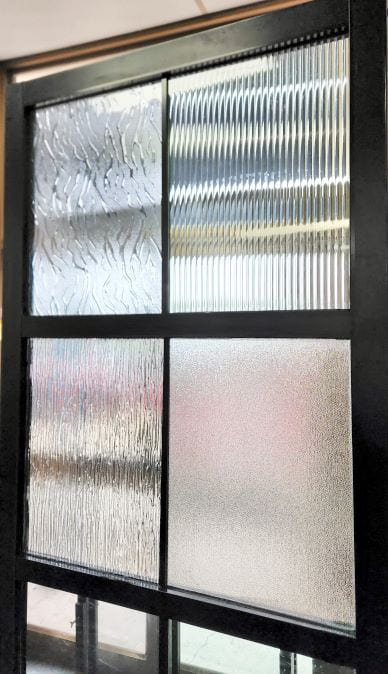
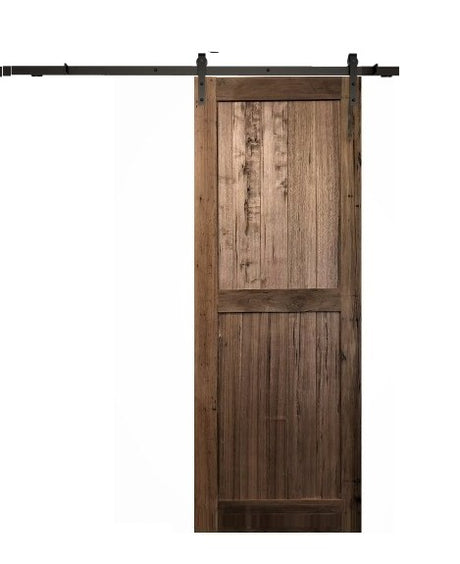
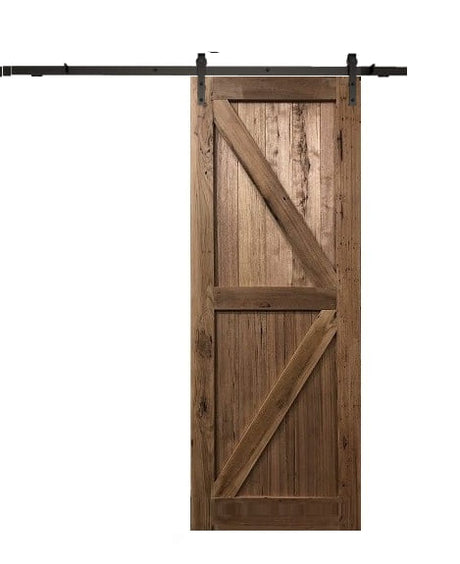
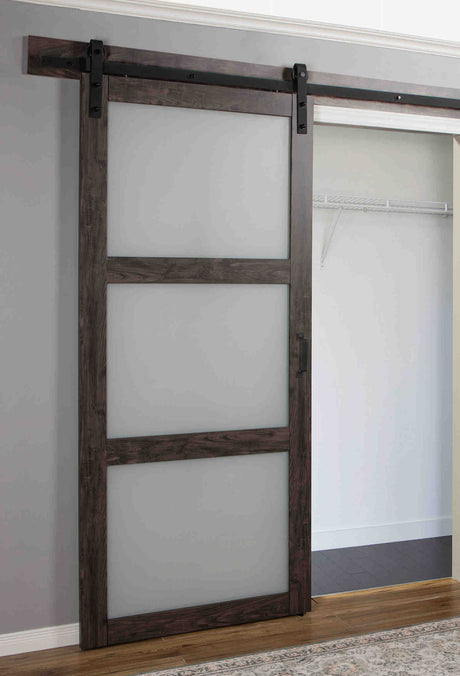
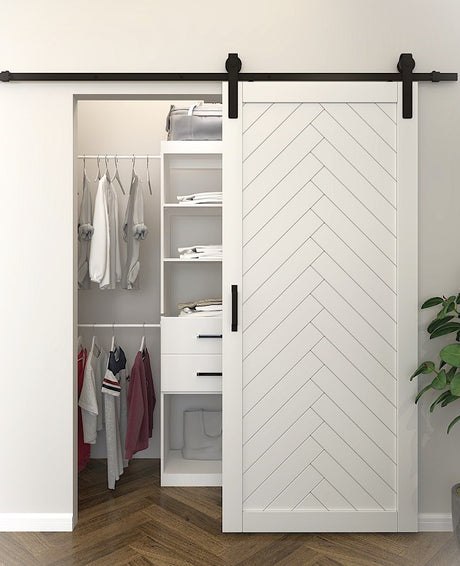
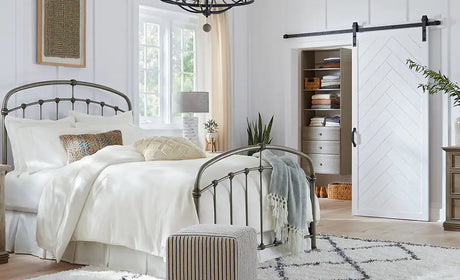
Up to 15% offSale priceFrom $431.87 Regular price $508.08Unit price
-
-
Up to 15% offSale priceFrom $464.20 Regular price $546.12Unit price
-
-
Up to 15% off
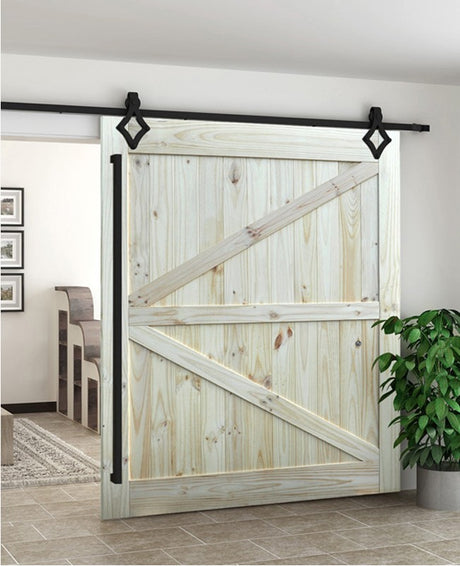
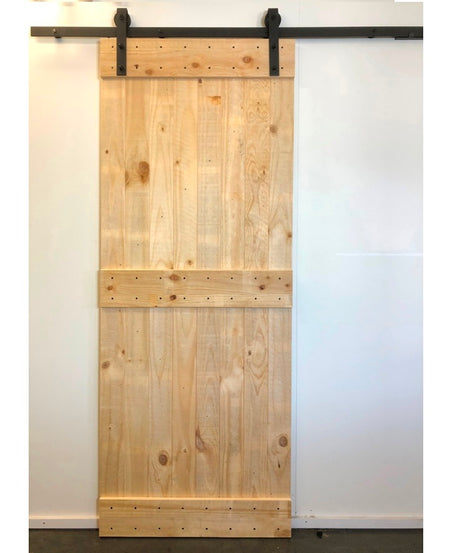
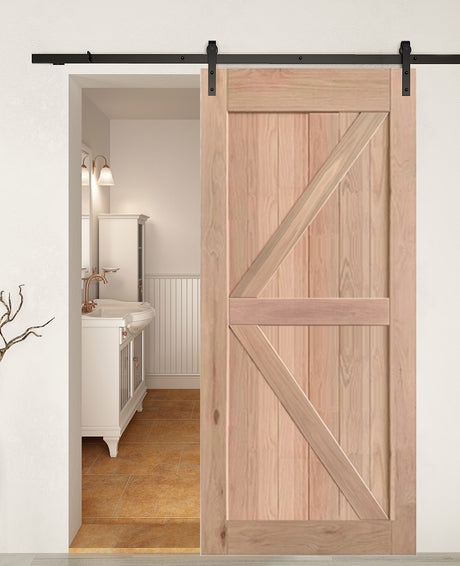
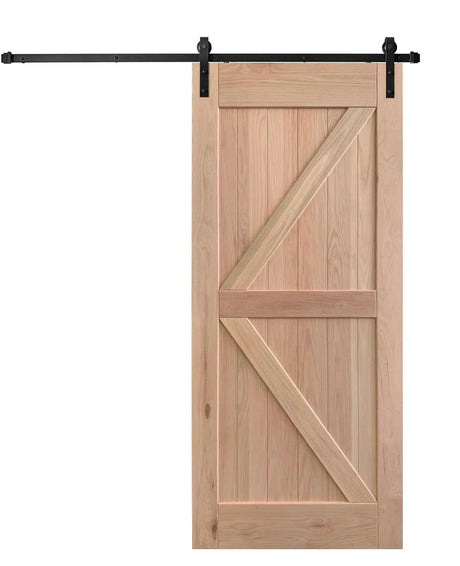
British Brace Barn Door(BD002)
Sale priceFrom $481.66 Regular price $566.65Unit price -
- Up to 15% off
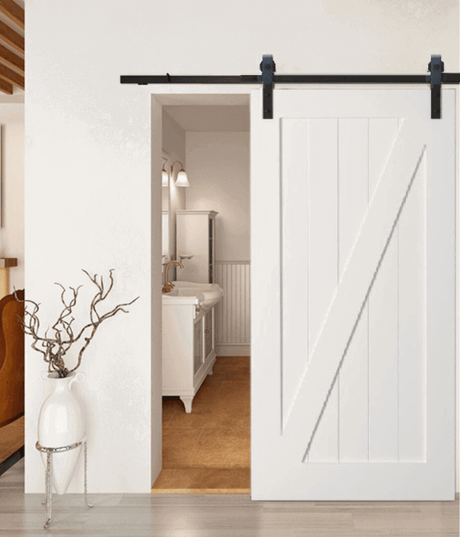
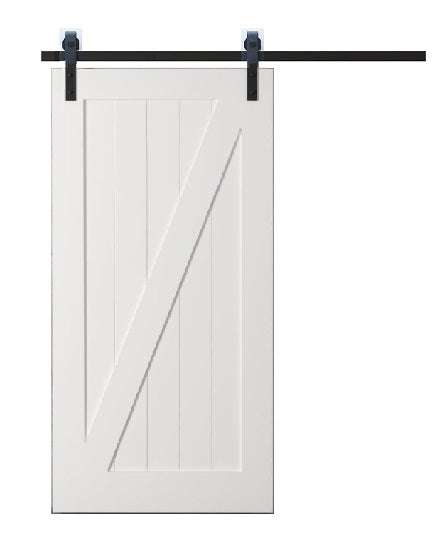
Z Brace White Painted Barn Door (BD004W)
Sale priceFrom $515.42 Regular price $606.38Unit price -
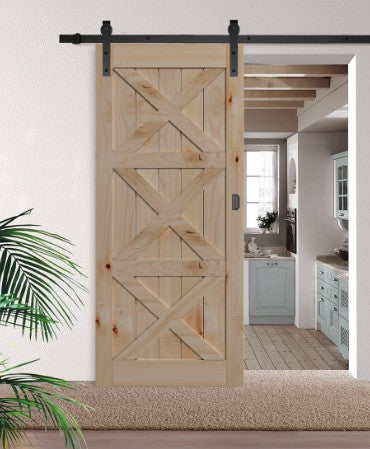 Up to 15% off
Triple X-brace Barn Door (BD009)
Sale priceFrom $607.21 Regular price $714.36Unit price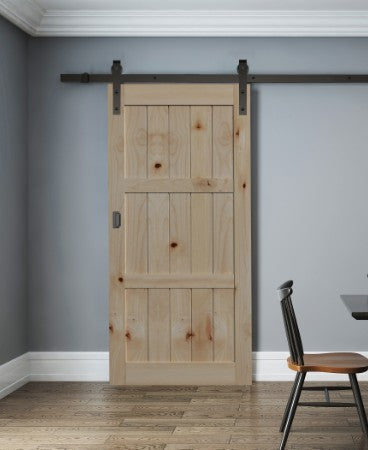 Up to 15% off
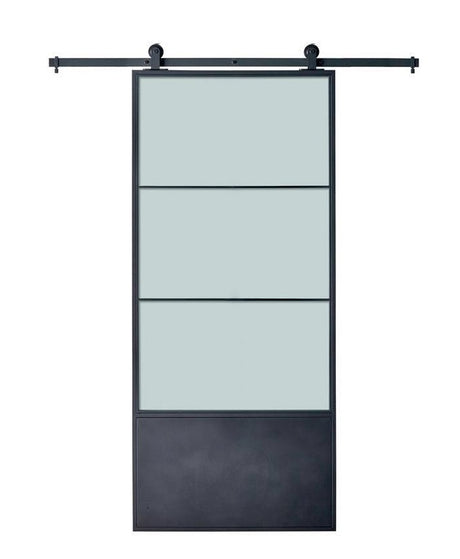
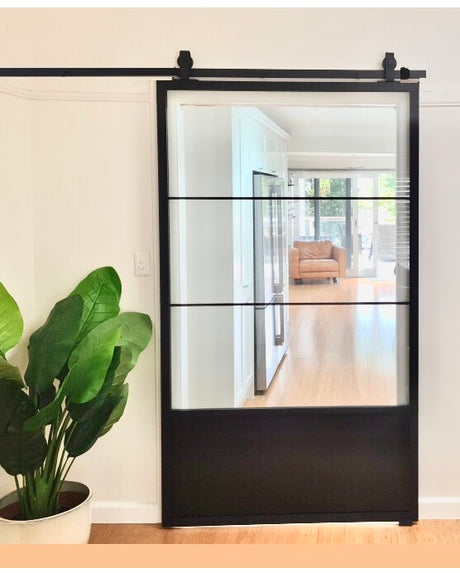
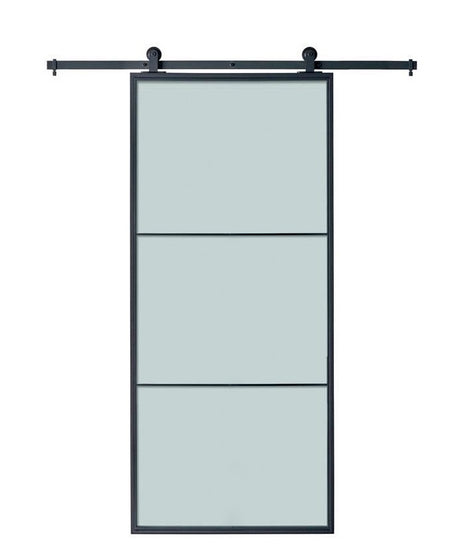
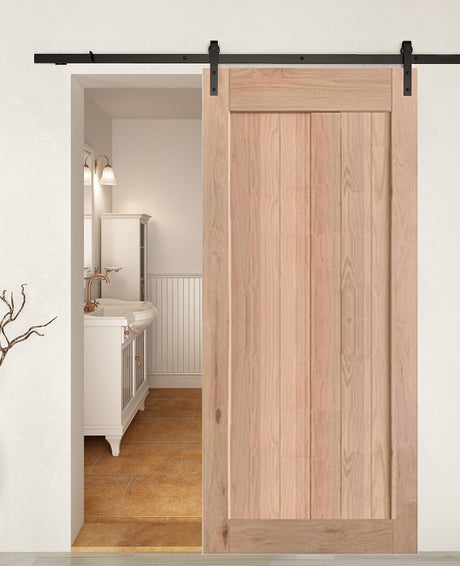
Three Panels Barn Door (BD012)
Sale priceFrom $454.03 Regular price $534.15Unit price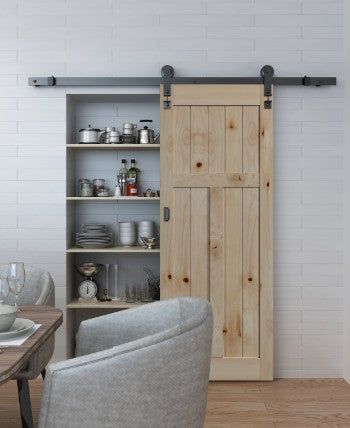 Up to 15% offSale priceFrom $454.03 Regular price $534.15Unit price
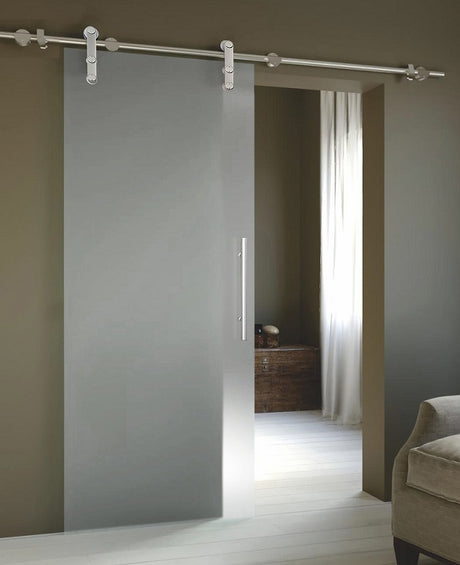
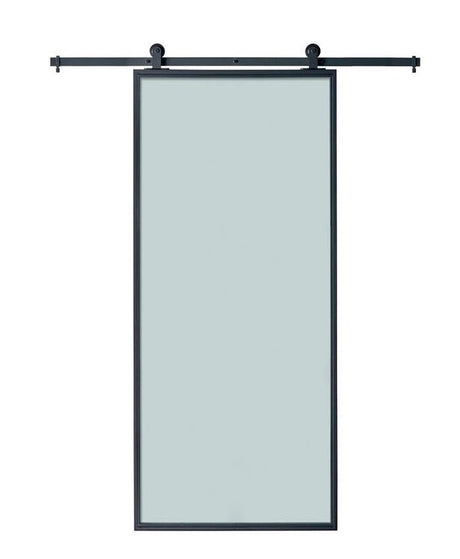
Clear Glass Barn Door (BDG 8MM)
Regular price $548.90Unit price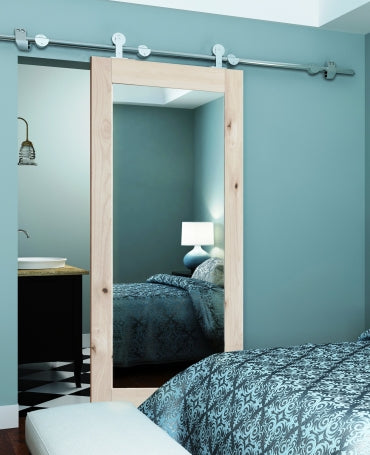 Regular priceFrom $649.00Unit price
-
Up to 10% offSale priceFrom $1,034.55 Regular price $1,149.50Unit price
-
-
Up to 10% offSale priceFrom $1,078.11 Regular price $1,197.90Unit price
-
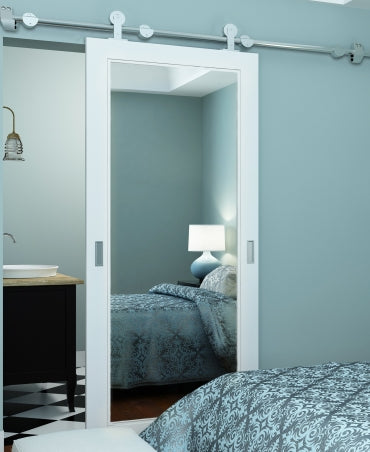 Regular priceFrom $715.00Unit price
- Up to 30% offSale priceFrom $404.25 Regular price $577.50Unit price
-
- Up to 22% off
DIY Middel Bar Barn Door (BD103)
Sale priceFrom $404.25 Regular price $519.75Unit price -
- Up to 15% offSale priceFrom $356.96 Regular price $419.96Unit price
-
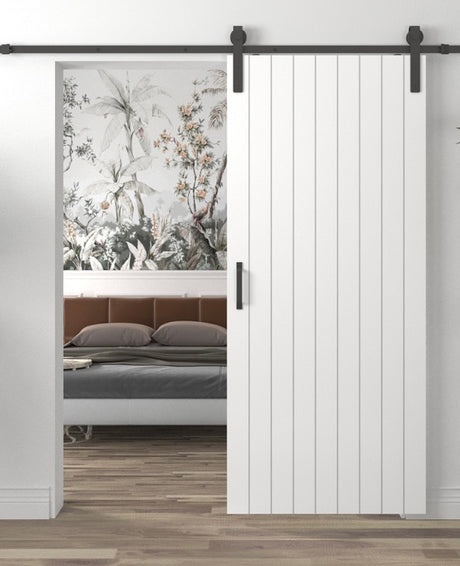 Up to 15% off
Painted vertical modeling White Painted Barn Door (BDF11W)
Sale priceFrom $339.49 Regular price $399.40Unit price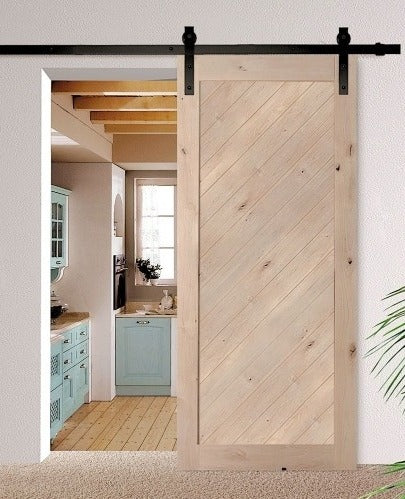 Up to 15% off
Herringbone Barn Door( BDHB01)
Sale priceFrom $957.65 Regular price $1,126.64Unit price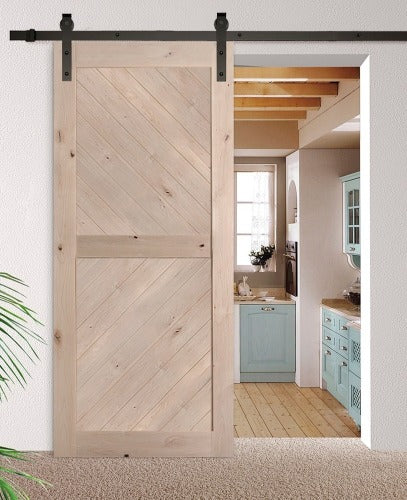 Up to 15% off
Herringbone Barn Door( BDHB03)
Sale priceFrom $1,105.21 Regular price $1,300.26Unit price Up to 15% off
Herringbone Barn Door( BDHB02)
Sale priceFrom $1,137.05 Regular price $1,337.70Unit price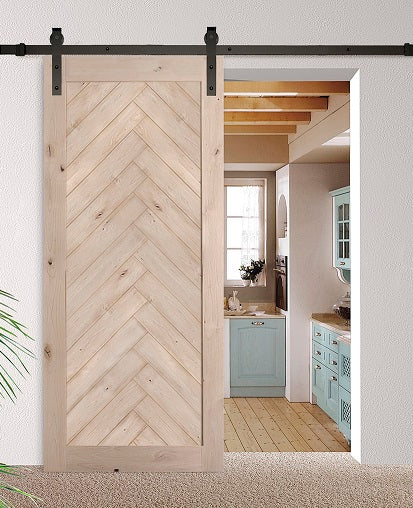 Up to 15% off
Herringbone Barn Door( BDHB04)
Sale priceFrom $1,105.21 Regular price $1,300.26Unit price Up to 15% off
Herringbone Barn Door( BDHB05)
Sale priceFrom $1,075.69 Regular price $1,265.52Unit price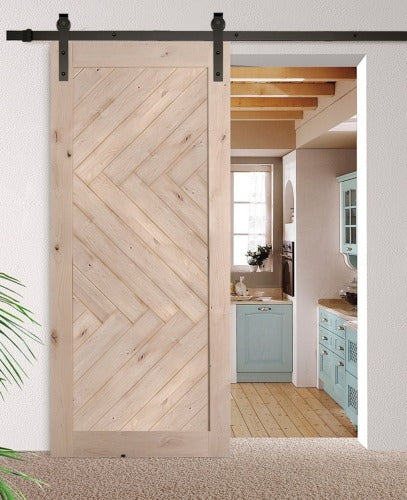 Up to 15% off
Herringbone Barn Door (BDHB06)
Sale priceFrom $1,010.58 Regular price $1,188.92Unit price-
Up to 10% offSale priceFrom $1,459.26 Regular price $1,621.40Unit price
-
-
Up to 10% offSale priceFrom $1,187.01 Regular price $1,318.90Unit price
-
-
Up to 10% offSale priceFrom $1,078.11 Regular price $1,197.90Unit price
-
-
Up to 10% offSale priceFrom $1,176.12 Regular price $1,306.80Unit price
-
-
Up to 10% offSale priceFrom $1,295.91 Regular price $1,439.90Unit price
-
Reclaimed Wood Barn Door(RC-BD003/2)
Regular price $1,155.00Unit price-
- Up to 10% off
Clear Glass French Barn Door(BDS12C)
Sale priceFrom $867.98 Regular price $964.41Unit price -
 Up to 15% off
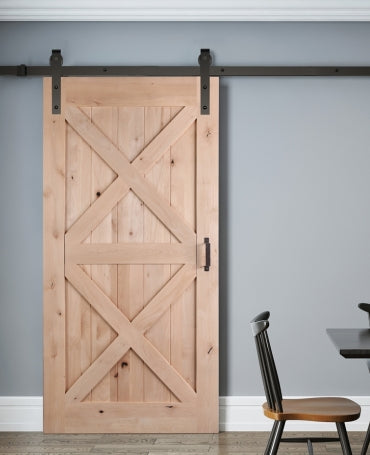
Double X-brace Barn Door (BD008)
Sale priceFrom $570.42 Regular price $671.08Unit price- Up to 44% off
Rustic White Barn Door IBD-RW4
Sale priceFrom $288.75 Regular price $519.75Unit price -
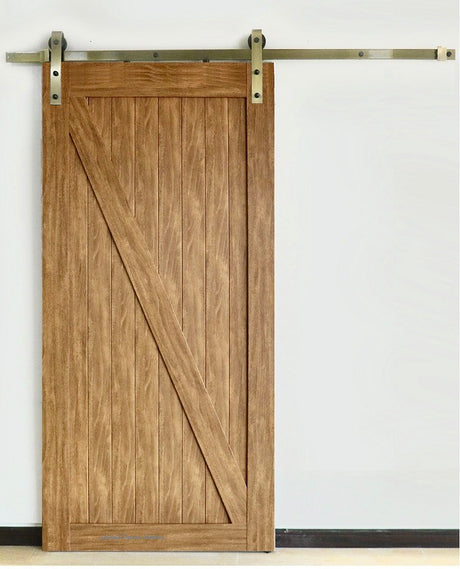 38% offSale price $462.00 Regular price $750.75Unit price
- Up to 15% off
BiFold SolidWood Barn Door (BDBF001)
Sale priceFrom $463.88 Regular price $545.74Unit price -
- Up to 15% off
BiFold SolidWood Barn Door (BDBF003)
Sale priceFrom $515.42 Regular price $606.38Unit price -
-
Up to 15% off
Solid Wood Oak Barn Door (ROAK002)
Sale priceFrom $1,061.61 Regular price $1,248.95Unit price -
-
Up to 15% off
Solid Wood Oak Barn Door (ROAK001)
Sale priceFrom $960.40 Regular price $1,129.88Unit price -
-
Up to 15% off
Solid Wood Oak Barn Door (ROAK003)
Sale priceFrom $1,011.01 Regular price $1,189.42Unit price -
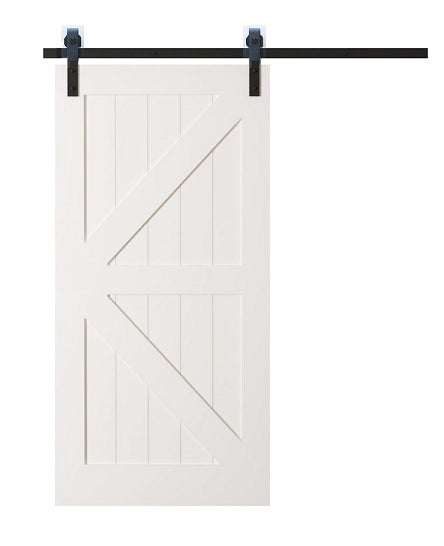 Up to 15% off
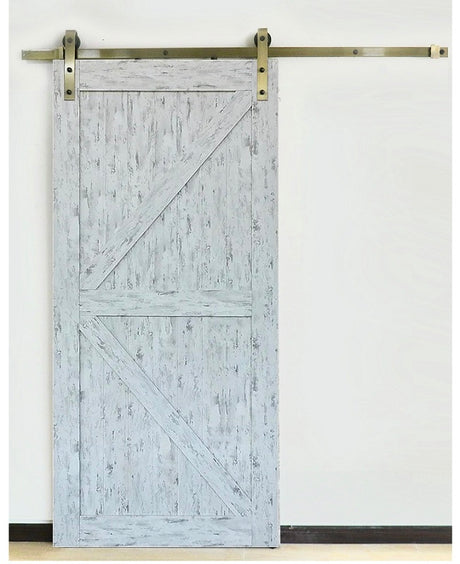
British White Painted Barn Door (BD002W)
Sale priceFrom $441.79 Regular price $519.76Unit price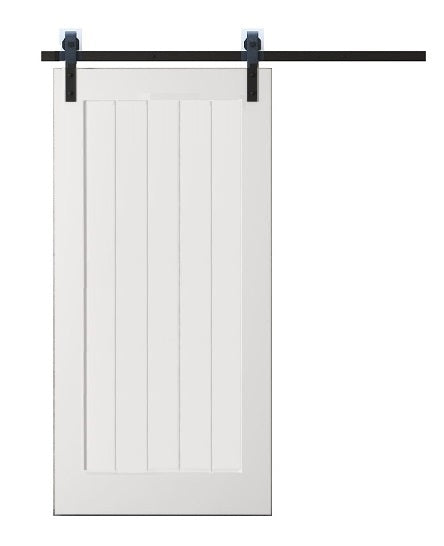 Up to 15% off
Plank White Painted Barn Door (BD001/3W)
Sale priceFrom $443.26 Regular price $521.48Unit price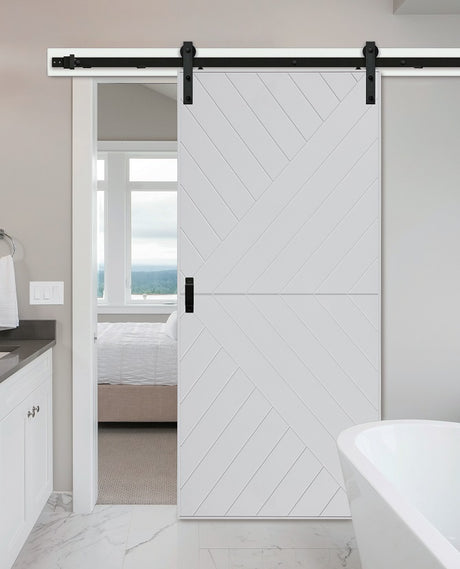 Up to 15% off
Geometric White Painted Barn Door (BDHB02W)
Sale priceFrom $409.15 Regular price $481.35Unit price- 50% offSale price $438.90 Regular price $878.90Unit price
-
- Regular price $658.90Unit price
-
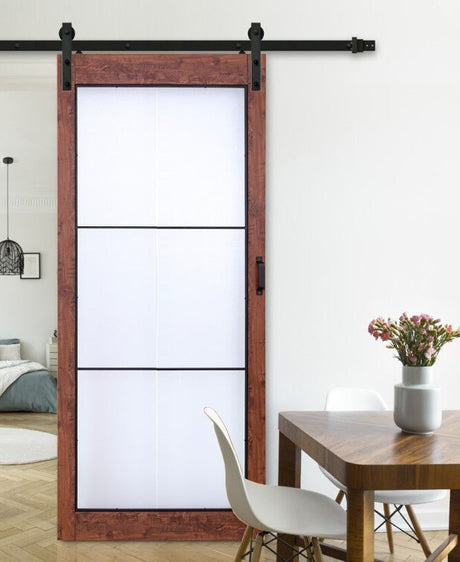 Up to 40% offSale priceFrom $368.94 Regular price $614.90Unit price
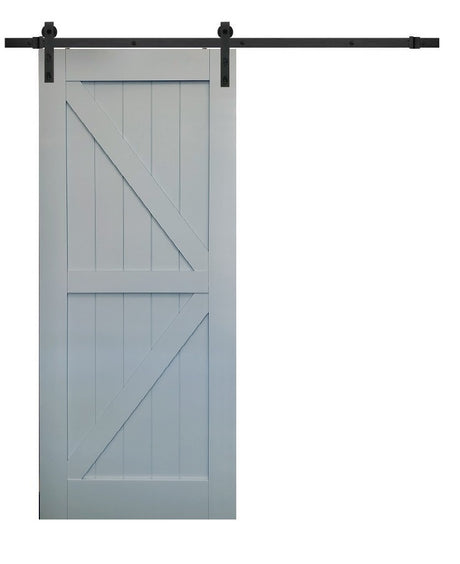 Up to 44% off
British Painted Barn Door (BD002Q)
Sale priceFrom $323.40 Regular price $577.50Unit price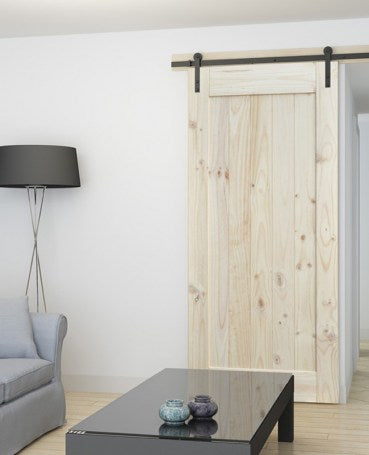 Up to 15% offSale priceFrom $404.81 Regular price $476.25Unit price
- 37% off
Geometric White Painted Barn Door (BDHB04W)
Sale price $462.00 Regular price $727.65Unit price -
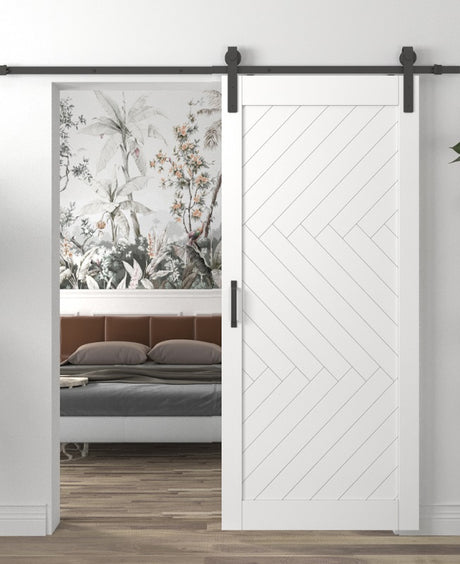 15% off
Geometric White Painted Barn Door (BDHB06W)
Sale price $578.66 Regular price $680.77Unit price Up to 28% off
Capital Blue British Painted Barn Door (BD002B)
Sale priceFrom $462.00 Regular price $605.17Unit price